Palm oil is one of the most widely traded edible oils in the global market. However, not all palm oil products are the same. Different industries require different specifications, and that is where palm oil grades such as CP6, CP8, CP10 and CPO become important.
Understanding the differences between these grades helps buyers choose the right product based on climate, application and processing requirements.
What is CPO (Crude Palm Oil)?
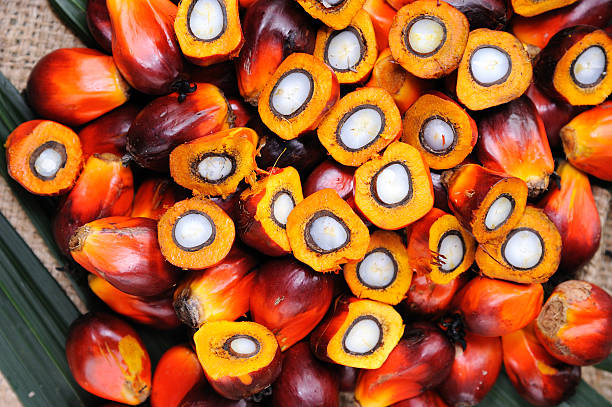
Crude Palm Oil (CPO) is the raw, unrefined oil extracted directly from fresh palm fruit bunches.
It has a natural reddish color due to its high carotene content and is commonly used as the base material for further refining.
Common Uses of CPO:
- Refining into cooking oil
- Production of oleochemicals
- Biodiesel manufacturing
- Food processing industries
CPO is usually purchased by refineries rather than end users, as it still requires further processing before consumption.
What is CP6?
CP6 is a processed palm oil product with a higher cloud point compared to CP8 and CP10.
Key Characteristics:
- Semi-solid in cooler temperatures
- Suitable for tropical and warm climate markets
- Commonly used in food manufacturing
Because of its higher melting point, CP6 performs well in regions where ambient temperatures remain warm throughout the year.
What is CP8?
CP8 has a slightly lower cloud point than CP6, making it more adaptable to moderate temperature environments.
Key Characteristics:
- More stable in medium climate conditions
- Suitable for food applications and general cooking oil
- Balanced texture and stability
CP8 is often preferred by buyers exporting to countries with mild seasonal temperature changes.
What is CP10?
CP10 has a lower cloud point compared to CP6 and CP8, meaning it remains liquid at lower temperatures.
Key Characteristics:
- Suitable for colder climate countries
- Less likely to solidify during transportation
- Preferred for export markets with cooler weather
This makes CP10 a common choice for international trade, especially when shipping to temperate regions.
How to Choose the Right Palm Oil Grade?
Choosing the correct palm oil grade depends on several factors:
- Destination country climate
- End-use application
- Storage and transportation conditions
- Industry requirements
For example:
- Tropical countries may prefer CP6.
- Moderate climates may opt for CP8.
- Colder regions often require CP10.
- Refineries typically purchase CPO for further processing.
Understanding these specifications reduces risk during shipment and ensures the product performs as expected upon arrival.
Conclusion
Palm oil grading plays a crucial role in international trade. While CPO serves as the base raw material, refined grades like CP6, CP8 and CP10 cater to different industrial and climatic needs.
For importers and distributors, selecting the right grade is not just about price — it is about performance, stability and suitability for the intended market.
If you are sourcing palm oil for export or manufacturing, understanding these differences will help you make a more informed and strategic decision.