The Malaysian palm oil industry is facing another challenge as the El Nino phenomenon is expected to put pressure on weather conditions from late 2026 to 2027. Hotter and drier weather has the potential to affect the production of fresh fruit bunches (FFB), thereby impacting the country’s palm oil yield.
What is El Nino?
El Nino is a natural climate phenomenon when sea surface temperatures in the central and eastern Pacific Ocean become warmer than usual. This phenomenon can feel through Asian Pacific also.
Why Can El Nino Affect Palm Oil Yields?
When rainfall decreases and temperatures rise, soil moisture aldo can decrease. This condition can cause oil palm trees to experience water stress and subsequently affect fruit development. In 2015, palm oil production fell by 13 percent due to El Niño. The main effect of El Niño on oil palm crops is closely related to lasting dry periods.
Potential impacts include:
- Lower fresh fruit bunch (FFB) yields
- Smaller or lighter oil palm fruits
- Disruption to flower and fruit development
- Lower palm oil production
- Tighter palm oil supplies in the market
This effect does not occur immediately to palm oil. However, the effects will begin to show if this phenomenon persists for a prolonged period.The risk becomes more apparent when dry conditions persist for several months.
Could the Monsoon Reduce the Impact of El Niño?
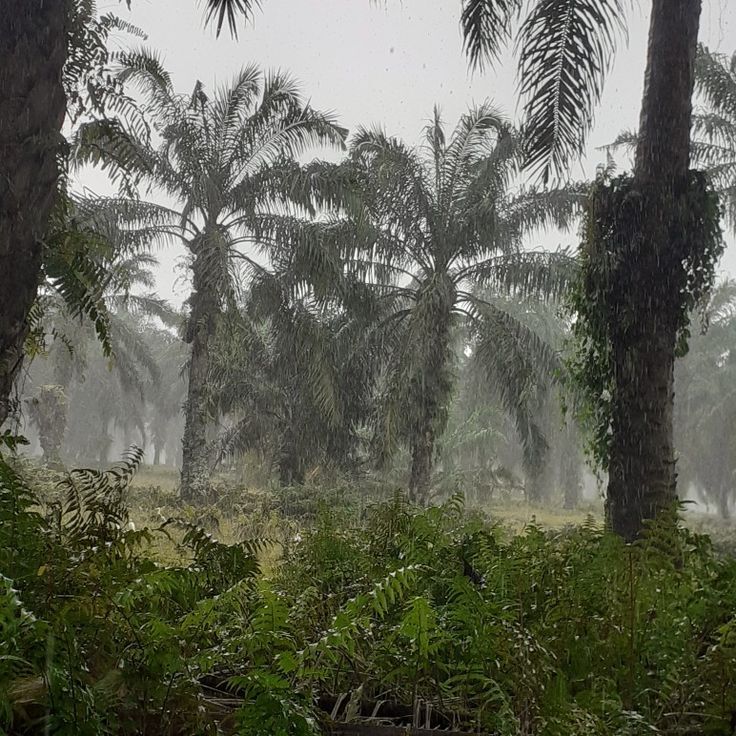
The monsoon season arriving in December is expected to help mitigate the potential impact of the Super El Niño weather phenomenon on Malaysia’s palm oil production.
Rainfall distribution before the dry season can help maintain soil moisture, reduce water stress on oil palm trees, support flower and fruit development, and provide sufficient water reserves for the trees before hotter and drier conditions occur.
However, we should remain prepared for any possible developments. Relevant stakeholders should establish contingency measures to minimise the potential impact of changing weather conditions on the oil palm industry. Early preparation, continuous monitoring of weather patterns, and effective water and plantation management can help strengthen the industry’s resilience and reduce potential disruptions to production.